Our Review
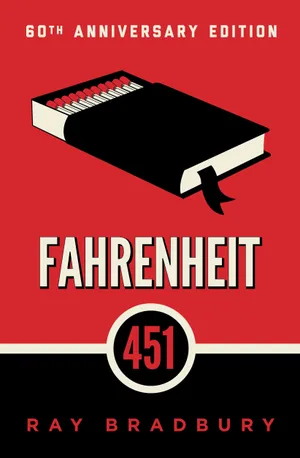
Ray Bradbury wrote Fahrenheit 451 in the basement of the UCLA library on a rented typewriter at ten cents per half hour. The irony is almost too perfect: a book about burning books, composed in the one place where books were still sacred. Published in 1953, it remains the most lyrical warning about intellectual complacency ever committed to print.
Guy Montag is a fireman, but in Bradbury's inverted America, firemen don't put out fires — they start them. Houses that harbor books are torched. Literature is contraband. Citizens sedate themselves with wall-sized television screens and seashell radios plugged directly into their ears. Sound familiar? Bradbury wrote this decades before smartphones and earbuds existed.
When Montag meets Clarisse, a seventeen-year-old neighbor who asks unsettling questions like "Are you happy?", the ground beneath his certainties begins to crack. He starts hiding books. He starts reading. And the world he has faithfully served begins hunting him.
What sets Fahrenheit 451 apart from other dystopias is its diagnosis. Bradbury was not warning about government censorship — he was warning about a society so addicted to speed, noise, and shallow entertainment that it would voluntarily abandon deep thought. The firemen are just the cleanup crew. The real arson happened long before they arrived.
Why This Book Earned Its Place in the Top 100
Fahrenheit 451 earns its place not because it predicted a future but because it diagnosed the present with uncanny precision — in 1953. While Orwell feared the boot on the neck and Huxley feared the drug in the water, Bradbury feared something more insidious: a populace that would choose distraction over meaning, and then blame the government for taking away what it had already surrendered.
The novel's staying power lies in its refusal to let readers off the hook. Every time you scroll past a long article, every time you choose the algorithm's recommendation over your own curiosity, Bradbury's ghost whispers. This is not a book about a tyrannical state — it is a book about a culture that got exactly what it asked for.
Beyond its ideas, Bradbury's prose is incandescent. He writes about fire with a poet's vocabulary and a prophet's conviction. Few dystopian novels are this beautiful at the sentence level. Fahrenheit 451 reminds us that the books worth saving are the ones that burn inside your mind long after you've closed the cover.
Who Should Read This Book
- •Anyone who worries about shrinking attention spans — Bradbury foresaw the age of infinite scrolling with eerie accuracy, and his cautionary tale has only grown sharper.
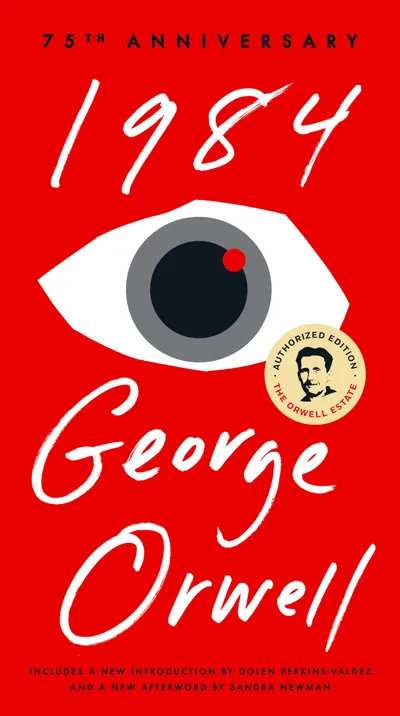
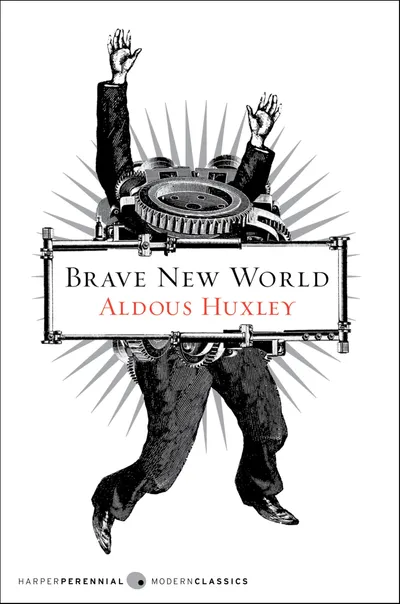
- •Readers who loved 1984 or Brave New World — Fahrenheit 451 completes the dystopian trinity, offering the most personal and poetic of the three visions.
- •Students and educators — this is one of the most frequently assigned novels in American classrooms for a reason, and rereading it as an adult reveals layers you missed at fourteen.
- •Fans of beautiful prose who think sci-fi can't be literary — Bradbury's writing is closer to Whitman than to Asimov, and this book will change your mind about the genre.
Key Themes and Takeaways
- Censorship and intellectual freedom
- The novel traces how a society reaches the point where burning books feels not just acceptable but necessary.
- Technology as sedative
- Wall-screens and seashell radios anticipate a world where constant entertainment replaces reflection.
- The value of discomfort
- Clarisse and the book people represent the radical idea that unease and questioning are signs of a healthy mind.
- Conformity and individuality
- Montag's awakening is a study in the cost of thinking differently in a society that prizes sameness.
- Memory and oral tradition
- The novel's ending suggests that literature can survive even when every physical copy is destroyed — if people choose to carry it.
Cultural and Historical Impact
Published in 1953, Fahrenheit 451 has sold over 10 million copies and been translated into more than 30 languages. It won the American Academy of Arts and Letters Award in Literature in 1954 and a Retro Hugo Award in 2004. The novel was adapted into a 1966 film by François Truffaut and a 2018 HBO film starring Michael B. Jordan. Paradoxically, the book itself has been repeatedly challenged and banned in school districts across the United States — a fact Bradbury considered grimly hilarious. The phrase "Fahrenheit 451" has entered common usage as shorthand for censorship and the destruction of knowledge. Bradbury maintained until his death in 2012 that the novel was less about government censorship than about television destroying interest in reading.
Notable Quotes
“It was a pleasure to burn.”
“You don't have to burn books to destroy a culture. You just have to get people to stop reading them.”
“Stuff your eyes with wonder, he said, live as if you'd drop dead in ten seconds. See the world. It's more fantastic than any dream made or paid for in factories.”
If You Loved Fahrenheit 451, Read These Next
Ready to read Fahrenheit 451?
Simon & Schuster · 194 pages
Buy Fahrenheit 451 on Amazon