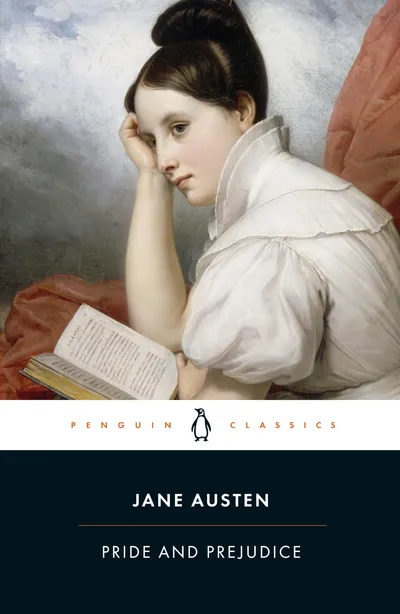
Our Review
Jane Austen's "Pride and Prejudice" opens with one of the most famous sentences in English literature — "It is a truth universally acknowledged, that a single man in possession of a good fortune, must be in want of a wife" — and what follows is a novel so sharply observed, so precisely funny, and so emotionally satisfying that it has essentially defined the romantic comedy for two centuries.
The story centers on Elizabeth Bennet, the second of five sisters in a family of modest means in Regency-era England, and her evolving relationship with the wealthy, seemingly arrogant Mr. Darcy. What begins as mutual antipathy — he thinks her beneath him, she thinks him insufferably proud — gradually transforms into one of literature's great love stories as both characters are forced to confront their own flaws and assumptions.
But to call this merely a romance is to miss what makes Austen a genius. Beneath the drawing-room conversations and country dances lies a razor-sharp social commentary about class, money, marriage, and the limited options available to women in a society that treated them as economic commodities. Austen's prose is a marvel of irony — every sentence carries at least two meanings, and her wit can draw blood without ever raising its voice. Elizabeth Bennet remains one of fiction's most intelligent, spirited heroines, and her refusal to settle for anything less than a marriage of genuine mutual respect was revolutionary for its time.
Why This Book Earned Its Place in the Top 100
"Pride and Prejudice" earns its place near the top of any essential reading list because it accomplished something exceedingly rare: it is both one of the most entertaining novels ever written and one of the most intellectually sophisticated. Austen invented what we now recognize as the modern novel of manners, and her influence radiates through every romantic comedy, every enemies-to-lovers storyline, and every sharp-tongued heroine in the two hundred years since.
What distinguishes Austen from her imitators is the precision of her moral vision. She is not simply writing a love story — she is dissecting an entire social order, exposing how money, class, and gender constrain human relationships. Elizabeth and Darcy's romance works so beautifully because both must undergo genuine moral growth; neither is simply "won over." They must each dismantle their pride and their prejudice to see each other clearly.
The novel also endures because of its sheer readability. Austen's dialogue sparkles with a wit that feels startlingly modern, and her pacing is impeccable. More than two centuries after its publication, readers still fall in love with Elizabeth Bennet — and with the radical idea that a woman's mind matters more than her dowry.
Who Should Read This Book
- •Romance readers who want the genre at its absolute finest — Austen wrote the template that every great love story since has followed, and no one has surpassed her.
- •Anyone interested in feminist literature — Elizabeth Bennet's insistence on her own agency and intellect was groundbreaking in 1813 and remains inspiring today.
- •Readers who appreciate razor-sharp wit and social satire — Austen's irony is subtle, devastating, and endlessly rewarding on rereading.
- •Students of English literature — this novel is a masterclass in free indirect discourse, narrative structure, and the comedy of manners.
- •People who think classic literature is stuffy or boring — 'Pride and Prejudice' is proof that a 200-year-old novel can be funnier and more page-turning than most modern bestsellers.
Key Themes and Takeaways
- Pride and prejudice (obviously)
- Both Elizabeth and Darcy must overcome their initial flawed judgments — his social snobbery and her quickness to condemn — to achieve genuine understanding.
- Class and social mobility
- The novel meticulously maps Regency England's class structure, showing how wealth and birth determine nearly everything about a person's prospects.
- Marriage as economic institution
- Austen lays bare the reality that for women of her era, marriage was less about love than about financial survival and social standing.
- The power of self-knowledge
- The central turning point comes when Elizabeth realizes her own biases, proving that moral growth requires honest self-examination.
- Women's limited autonomy
- Through the Bennet sisters' varying fates, Austen shows how few choices women had and how high the stakes of marriage truly were.
- Appearances versus reality
- Characters like Wickham and Darcy demonstrate how surface charm can conceal villainy, while apparent coldness can mask deep integrity.
Cultural and Historical Impact
"Pride and Prejudice" has sold over 20 million copies and has never been out of print since its original publication in 1813. It has been adapted into dozens of films, television series, and stage productions — most famously the 1995 BBC miniseries starring Colin Firth (whose lake scene became a cultural phenomenon) and the 2005 film with Keira Knightley, which earned four Academy Award nominations. The novel has inspired countless retellings, from "Bridget Jones's Diary" to "Pride and Prejudice and Zombies," and its influence pervades virtually every romantic comedy in film and literature. Austen herself has become a cultural icon, appearing on the British ten-pound note since 2017. The novel is consistently ranked among the greatest ever written in reader polls worldwide and remains one of the most widely taught texts in English literature courses.
Notable Quotes
“It is a truth universally acknowledged, that a single man in possession of a good fortune, must be in want of a wife.”
“I could easily forgive his pride, if he had not mortified mine.”
“You must allow me to tell you how ardently I admire and love you.”
If You Loved Pride and Prejudice, Read These Next
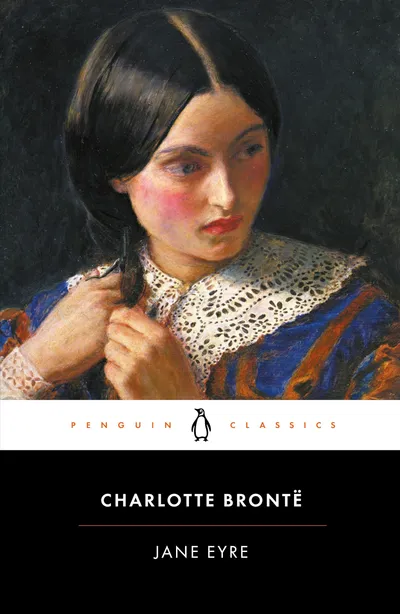
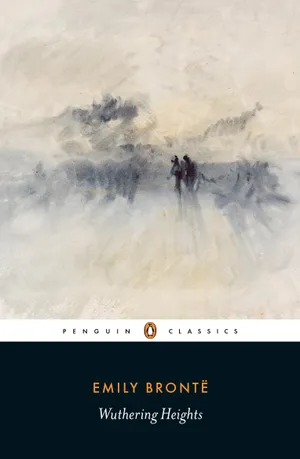
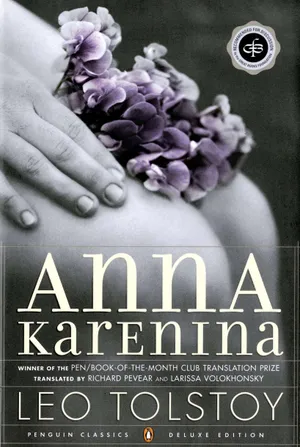

Ready to read Pride and Prejudice?
Penguin Classics · 432 pages
Buy Pride and Prejudice on Amazon