Our Review
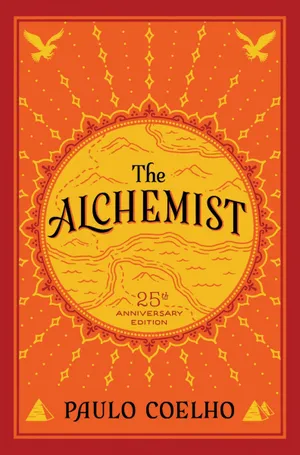
Paulo Coelho's The Alchemist is the kind of book that divides readers cleanly. For millions, it is a life-changing parable about following your dreams. For others, it is fortune-cookie philosophy dressed in narrative clothing. Both camps are partially right, and neither has the complete picture.
Santiago is a young Andalusian shepherd who dreams of treasure buried near the Egyptian pyramids. He sells his flock and sets out across North Africa, encountering a gypsy fortune-teller, a mysterious king, a crystal merchant, an Englishman studying alchemy, and eventually the alchemist himself. Along the way, he falls in love with a desert woman named Fatima and learns to read the omens of the world.
The plot is simple by design. Coelho wrote a fable, not a novel, and fables trade in archetypes, not psychology. The Alchemist's power lies in its directness. It says things that more sophisticated books circle around but never quite articulate: that fear of failure keeps more people from their purpose than actual failure does; that the universe is not indifferent to human aspiration; that the journey matters more than the destination, but the destination also matters.
Whether you find this profound or simplistic will depend on where you are in your life when you read it. The Alchemist has an uncanny ability to arrive at the right moment, and its simplicity is either its greatest strength or its most obvious limitation.
Why This Book Earned Its Place in the Top 100
The Alchemist earns its place through sheer reach and emotional impact. It has sold over 150 million copies in more than 80 languages, making it one of the bestselling books in history. Those numbers are not an accident. Coelho tapped into something universal — the desire for purpose, the fear of settling for less than what you dream, the suspicion that the world is trying to tell you something if you would only listen.
Critics often dismiss The Alchemist as shallow, but this misses the point. The book operates as a fable, and fables are supposed to be simple. Aesop didn't need subplots. The Little Prince didn't need character arcs. What these stories need is clarity, and The Alchemist has it in abundance. Its central concept — the Personal Legend, the unique purpose that each person carries — has entered the vocabulary of self-help, business, and spiritual communities worldwide.
The novel also deserves credit for being genuinely cross-cultural. Written by a Brazilian, set in Spain and North Africa, drawing on Islamic, Christian, and alchemical traditions, it speaks to readers across every boundary of nationality, religion, and class. Few books in history have achieved that kind of universality.
Who Should Read This Book
- •Anyone at a crossroads in life — this book has a strange habit of appearing when you need it most, and its message about pursuing your calling is genuinely galvanizing.
- •Young readers just beginning to think about purpose and direction — The Alchemist is the kind of book that can redirect a life at the right moment.
- •Travelers and wanderers — the novel's journey across North Africa captures the romance of leaving the familiar behind.
- •Skeptics willing to suspend their cynicism — approach it as a fable rather than a novel, and its wisdom becomes harder to dismiss.
Key Themes and Takeaways
- The Personal Legend
- Coelho's central concept is that every person has a unique purpose, and the universe conspires to help those who pursue it.
- Fear as the obstacle
- The novel argues that the primary barrier to fulfillment is not external circumstances but the fear of pursuing what you truly want.
- The language of the world
- Santiago learns to read omens and signs, suggesting a universe that communicates with those who pay attention.
- Journey versus destination
- The treasure Santiago seeks is ultimately less important than who he becomes in the process of seeking it.
- Love and freedom
- Fatima represents a love that does not demand the abandonment of one's purpose — a radical alternative to the romantic notion of love as sacrifice.
Cultural and Historical Impact
Originally published in Portuguese in 1988, The Alchemist sold only 900 copies in its first year and was dropped by its original publisher. Coelho found a new publisher, and the book went on to sell over 150 million copies worldwide, making it one of the bestselling books in history. It holds the Guinness World Record for the most translated book by a living author, with editions in over 80 languages. The novel has been cited as an influence by figures ranging from Will Smith to Pharrell Williams. A film adaptation has been in development for decades, with various directors attached. The book transformed Coelho from an unknown Brazilian writer into one of the most widely read authors in the world.
Notable Quotes
“And, when you want something, all the universe conspires in helping you to achieve it.”
“It's the possibility of having a dream come true that makes life interesting.”
“People learn, early in their lives, what is their reason for being. Maybe that's why they give up on it so early, too.”
If You Loved The Alchemist, Read These Next
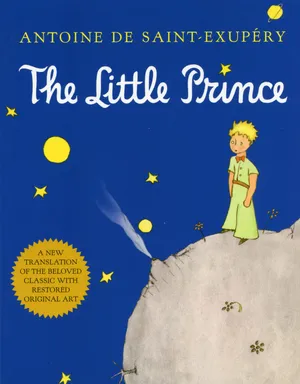
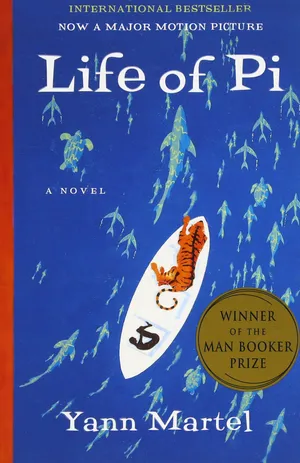
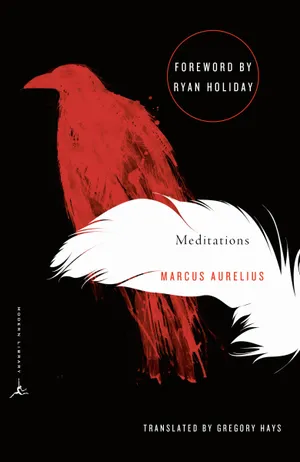
Ready to read The Alchemist?
HarperOne · 197 pages
Buy The Alchemist on Amazon