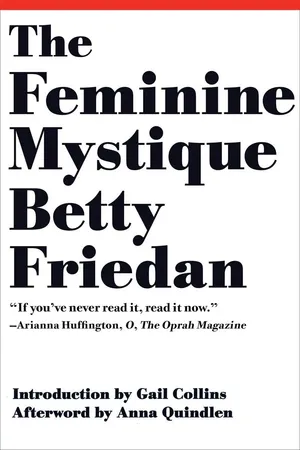
Our Review
The Feminine Mystique begins with what Betty Friedan called "the problem that has no name" — the pervasive unhappiness of educated, middle-class American women in the 1950s and early 1960s who had been told that domestic life should fulfill them completely. They had the house, the husband, the children, the appliances. And they were miserable. Friedan, a Smith College graduate and freelance journalist, surveyed her classmates fifteen years after graduation and found the same pattern repeated over and over: depression, anxiety, alcoholism, a nameless dissatisfaction that they had been taught to be ashamed of.
Published in 1963, the book is a methodical dismantling of the postwar ideology that defined womanhood exclusively in terms of domesticity. Friedan traces how advertisers, women's magazines, Freudian psychologists, and educators conspired — sometimes consciously, sometimes not — to convince women that intellectual ambition and personal fulfillment outside the home were symptoms of neurosis. She names the ideology "the feminine mystique" and shows, with devastating specificity, how it trapped millions of women in lives of quiet anguish.
The book is not always comfortable to read. Friedan's focus on affluent white women has been rightly criticized. But as a diagnosis of a specific cultural pathology — the systematic suppression of women's potential in the name of an imaginary ideal — The Feminine Mystique remains one of the most powerful pieces of social criticism ever published.
Why This Book Earned Its Place in the Top 100
The Feminine Mystique is on this list because it detonated a revolution. The book is widely credited as the catalyst of the second wave of American feminism. Within three years of its publication, Friedan co-founded the National Organization for Women (NOW). Within a decade, the women's liberation movement had transformed American law, education, employment, and family structure in ways that are still unfolding.
But the book earns its place not just for its political impact but for the quality of its analysis. Friedan was trained as a journalist and a social psychologist, and she brings both skills to bear. Her dissection of how women's magazines shifted their content from stories about independent career women in the 1930s to exclusively domestic content in the 1950s is a masterclass in media criticism. Her analysis of how consumer capitalism depends on insecure women buying products to fill an inner void anticipates decades of subsequent cultural criticism. The Feminine Mystique did what the best nonfiction does: it named something that millions of people were experiencing but could not articulate.
Who Should Read This Book
- •Anyone interested in feminism — this is the book that reignited the movement, and understanding its arguments and limitations is essential context.
- •Students of American history — The Feminine Mystique is a primary document of postwar America, revealing the ideology behind the suburban dream.
- •Women navigating career and family — Friedan's analysis of the pressures women face remains relevant, even though the specific forms of those pressures have evolved.
- •Readers interested in media and advertising — Friedan's dissection of how magazines and advertisers manufactured the feminine ideal is a brilliant piece of cultural analysis.
- •Men who want to understand gender dynamics — the book illuminates structures of expectation that affect everyone, not just women.
Key Themes and Takeaways
- The problem that has no name
- Millions of women experienced depression and dissatisfaction that their culture told them should not exist.
- The construction of femininity
- The 'feminine mystique' is not natural but manufactured — a postwar ideology promoted by advertisers, psychologists, and media.
- The suppression of ambition
- Women's intellectual and professional aspirations were pathologized as unfeminine, driving them away from education and careers.
- Consumer capitalism and gender
- The domestic economy depends on keeping women insecure and consuming; the happy housewife is also the ideal customer.
- Identity and self-realization
- Friedan argues that a person cannot find identity through others — through husband, children, or home — but only through their own work and growth.
Cultural and Historical Impact
The Feminine Mystique was published in February 1963 and sold over a million copies in its first year. It is widely credited with sparking the second wave of American feminism. In 1966, Friedan co-founded the National Organization for Women. The book's influence contributed to the passage of the Equal Pay Act of 1963, Title IX in 1972, and the broader transformation of women's roles in American society. It has been translated into dozens of languages. The book has also generated significant criticism — particularly from Black feminists like bell hooks, who argued that Friedan's analysis centered the experience of privileged white women. Despite these limitations, The Feminine Mystique remains one of the most influential works of nonfiction published in the 20th century. In 2013, on its 50th anniversary, it was the subject of renewed scholarly and popular attention.
Notable Quotes
“The problem that has no name — which is simply the fact that American women are kept from growing to their full human capacities — is taking a far greater toll on the physical and mental health of our country than any known disease.”
“No woman gets an orgasm from shining the kitchen floor.”
“A girl should not expect special privileges because of her sex, but neither should she adjust to prejudice and discrimination.”
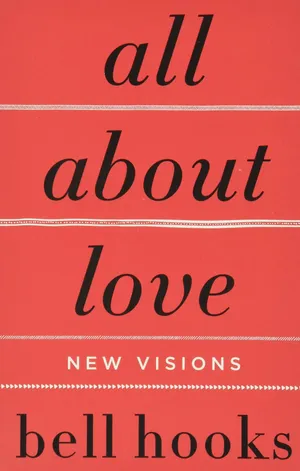
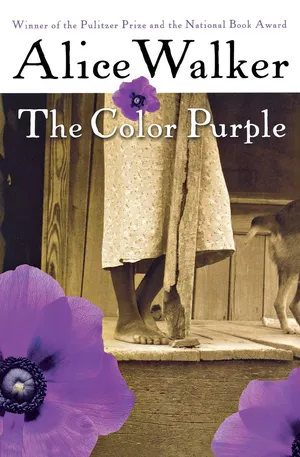
If You Loved The Feminine Mystique, Read These Next


Ready to read The Feminine Mystique?
W. W. Norton & Company · 592 pages
Buy The Feminine Mystique on Amazon