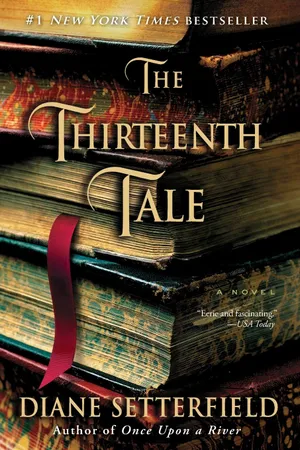
Our Review
Margaret Lea is a quiet young woman who works in her father's antiquarian bookshop and has written one minor biographical essay. Vida Winter is England's most famous and most reclusive living novelist — a woman who has given dozens of interviews over her career and told a different life story in each one. Now Winter is dying, and she wants to tell the truth at last. She chooses Margaret.
What follows is a gothic tale nested inside a gothic tale. As Winter narrates her real past — a story of twin sisters, a decaying mansion called Angelfield, madness, fire, and a missing child — Margaret begins to discover unsettling parallels with her own hidden history. Setterfield structures the novel as a love letter to storytelling itself, with both women using narrative as a way to approach truths too painful for direct speech.
The Thirteenth Tale is unabashedly old-fashioned in the best sense. It draws openly on Jane Eyre, Wuthering Heights, and the Victorian sensation novel, and it trusts that readers who love those books will recognize and savor the echoes. The atmosphere is thick — crumbling estates, overgrown gardens, locked rooms, secrets kept for decades — and the prose has the careful, measured quality of someone who reads more than she talks. This is a book for people who love books, written by someone who understands exactly why.
Why This Book Earned Its Place in the Top 100
The Thirteenth Tale earns its place as a celebration of reading itself. In an era when fiction increasingly chases novelty and disruption, Setterfield's debut argued that the gothic tradition — stories of twins, ghosts, old houses, and buried secrets — still has the power to hold readers spellbound, and millions agreed.
The novel works because Setterfield understands something essential about why people read: we come to stories for the same reasons Vida Winter and Margaret Lea do — to make sense of pain, to find patterns in chaos, to approach truths we cannot face directly. The meta-narrative structure, in which storytelling itself is the subject, never feels gimmicky because Setterfield grounds it in genuine emotional need.
Beyond its thematic richness, the novel is simply a masterful piece of plotting. The mystery of what really happened at Angelfield unfolds with the patience and precision of a Victorian triple-decker, and the final revelations — some shocking, some quietly devastating — reward every page of investment. For readers who love the Brontes and Du Maurier, this is the modern novel that most successfully channels their spirit.
Who Should Read This Book
- •Lovers of gothic fiction — if Jane Eyre, Wuthering Heights, and Rebecca are among your favorites, this novel was written specifically for you.
- •Readers who are passionate about books and reading — the relationship between Margaret and Winter is ultimately about the power of stories, and it will resonate deeply.
- •Fans of twin stories and family mysteries — the Angelfield saga is a deeply compelling puzzle with genuine surprises.
- •People who enjoy atmospheric, slow-building narratives — this is not a thriller; it's a novel that rewards patience with rich emotional payoffs.
Key Themes and Takeaways
- The power of storytelling
- Both protagonists use narrative to process trauma, arguing that stories are not escapes from reality but tools for understanding it.
- Twins and identity
- The relationship between the March twins explores the boundaries of selfhood and the terror of being incomplete.
- Secrets and their weight
- Every character carries hidden truths, and the novel shows how secrets deform the lives built around them.
- The gothic tradition
- Setterfield engages consciously with Bronte and Du Maurier, suggesting that certain narrative patterns endure because they speak to permanent human fears.
- Truth versus fiction
- Vida Winter's lifetime of invented autobiographies raises the question of whether truth is something we discover or something we construct.
Cultural and Historical Impact
Published in 2006, The Thirteenth Tale debuted at #1 on the New York Times bestseller list — a rare achievement for a debut literary novel. It was translated into over 38 languages and sold millions of copies worldwide. The novel was adapted into a television film by the BBC in 2013, starring Vanessa Redgrave as Vida Winter and Olivia Colman as Margaret Lea. The book is widely credited with reviving popular interest in neo-gothic fiction and is frequently recommended by independent booksellers as a "book about books" for devoted readers. It established Setterfield as a leading voice in literary gothic fiction and remains a staple of book club discussions.
Notable Quotes
“People disappear when they die. Their voice, their laughter, the warmth of their breath. Their flesh. Eventually their bones.”
“There is something about words. In expert hands, manipulated deftly, they take you prisoner. Wind themselves around your limbs like spider silk, and when you are so enthralled you cannot move, they pierce your skin, enter your blood, numb your thoughts. Inside you they work their magic.”
“All children mythologize their birth. It is a universal trait. You want to know someone? Heart, mind, and soul? Ask him to tell you about when he was born.”
If You Loved The Thirteenth Tale, Read These Next
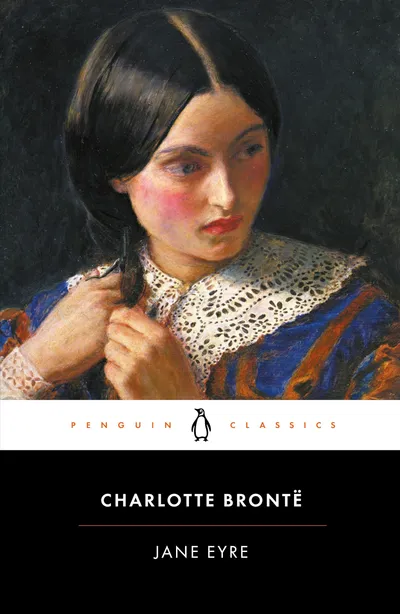
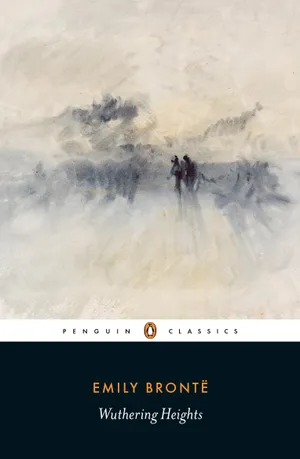
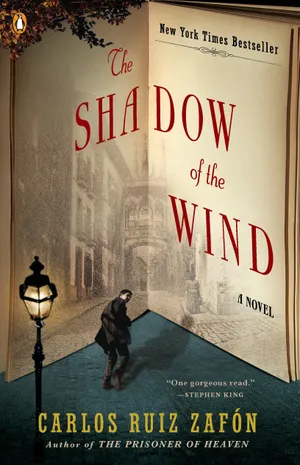
Ready to read The Thirteenth Tale?
Washington Square Press · 406 pages
Buy The Thirteenth Tale on Amazon